
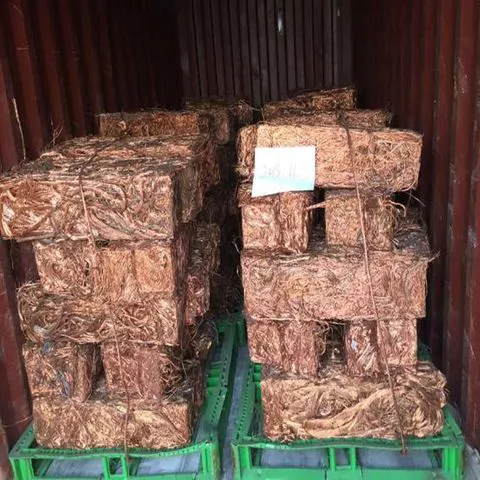
Copper wire scrap is one of the most valuable and widely recycled industrial materials in the world. Due to its high conductivity, durability, and versatility, it plays a major role in powering industries, supporting infrastructure, and fueling sustainable growth. With rising global demand for copper and the ongoing push toward eco-friendly practices, copper wire scrap has become not just a byproduct, but a critical resource.
In this article, we’ll explore the major uses of copper wire scrap across industries, its benefits for manufacturers and investors, and why it remains in high demand globally.
Copper Wire Scrap – An Overview
Copper wire scrap refers to discarded or recycled copper wires obtained from electrical wiring, machinery, electronics, and industrial processes. Unlike other metals that degrade after recycling, copper retains 100% of its properties when processed. This means that recycled copper can perform just as well as newly mined copper, making it an essential raw material in the global economy.
With countries like Tanzania playing a key role in copper production and export, the scrap recycling industry has opened new opportunities for sustainable supply chains and reduced reliance on mining.
1. Copper Wire Scrap in Electrical and Power Transmission
The most significant use of copper wire scrap lies in the electrical industry. Copper is the best conductor of electricity after silver, and since it is much more affordable, it dominates the market for wiring and electrical systems.
Power Cables & Wiring: Recycled copper wires are refined and transformed into high-quality cables that power homes, offices, and industries.
Transformers & Motors: The winding wires in transformers, generators, and motors rely heavily on copper for efficient performance.
Renewable Energy: Solar panels and wind turbines use recycled copper wires in their systems, making copper scrap an important resource for the green energy sector.
By using copper wire scrap, electrical manufacturers reduce costs while ensuring high conductivity and reliability in power systems.
2. Copper Wire Scrap in Electronics Manufacturing
The electronics sector is another major consumer of copper wire scrap. Modern devices depend on copper’s unique properties for both performance and durability.
Printed Circuit Boards (PCBs): Essential for smartphones, computers, and appliances, PCBs use copper to ensure fast and efficient transmission of signals.
Microchips & Connectors: Recycled copper wire is refined into high-purity copper that forms the backbone of digital electronics.
Consumer Electronics: Televisions, radios, and communication devices rely on copper wiring for signal clarity and efficiency.
As the world shifts towards digitalization and smart technologies, the demand for copper wire scrap will only increase.
3. Copper Wire Scrap in Construction & Infrastructure
Construction and real estate projects consume large volumes of copper wire scrap. From skyscrapers to residential buildings, copper is a fundamental part of infrastructure.
Building Wiring Systems: Every modern building requires copper wiring for electricity, internet, and telecommunication.
Plumbing & HVAC: Recycled copper also finds its way into pipes, air conditioning systems, and heating units due to its durability and resistance to corrosion.
Smart Cities: With the rise of smart city infrastructure, copper’s role in communication networks, sensors, and IoT devices is more critical than ever.
This makes copper wire scrap not just a construction material, but a driver of modern urban development.
4. Copper Wire Scrap in Transportation & Automotive Industry
The transportation sector is another large consumer of recycled copper.
Automobiles: Copper wires power electrical systems, engine components, and safety mechanisms in vehicles.
Electric Vehicles (EVs): The EV revolution has created massive demand for copper. Each electric car uses nearly 4 times more copper than a traditional vehicle.
Aerospace & Railways: Aircrafts, trains, and ships use copper for navigation, communication, and power systems.
Copper wire scrap recycling ensures that the transportation sector can grow without straining natural resources.
5. Copper Wire Scrap in Renewable Energy and Sustainability
As nations invest in sustainable energy, copper wire scrap has emerged as a key material in green technology.
Solar Energy: Copper wiring connects solar panels, inverters, and batteries.
Wind Farms: Wind turbines require tons of copper for their coils and transmission systems.
Energy Storage: Recycled copper is critical in battery production and storage solutions for renewable energy.
This sustainable use of copper wire scrap supports the global mission of reducing carbon emissions and creating a circular economy.
6. Copper Wire Scrap in Industrial Machinery
Manufacturers across industries—from textiles to heavy engineering—use recycled copper wires in their machinery.
Motors & Pumps: Copper coils are essential for efficient machinery operation.
Robotics & Automation: Advanced robotic systems use copper wiring for speed and efficiency.
Manufacturing Equipment: Copper ensures long-lasting performance and reduces maintenance costs.
This versatility makes copper scrap a must-have resource for industrial growth.
Economic Importance of Copper Wire Scrap
Beyond its industrial uses, copper wire scrap carries significant economic value.
Cost Savings: Recycled copper costs up to 30% less than mined copper, reducing expenses for manufacturers.
Global Trade: Countries like Tanzania export copper scrap and ores, contributing to international trade.
Investment Opportunities: With copper prices on the rise, scrap copper has become a profitable commodity for traders and investors.
By recycling copper wire scrap, industries can save money while ensuring steady supply.
Environmental Benefits of Copper Wire Scrap Recycling
Copper recycling is not just profitable—it’s sustainable.
Reduced Mining Impact: Recycling reduces the need for new mining, protecting natural habitats.
Lower Energy Use: Producing copper from scrap consumes 85% less energy than from raw ore.
Waste Reduction: Recycling copper wires reduces electronic waste and landfill pollution.
This makes copper wire scrap essential in achieving eco-friendly industrial growth.
Why Tanzanian Copper Wire Scrap Stands Out
Tanzania has emerged as a key supplier of copper wire scrap, thanks to its rich mining reserves and growing recycling industry.
High Purity Copper: Tanzanian copper is known for its quality and durability.
Strategic Location: Its geographical position allows for easy exports to Asia, Europe, and America.
Trusted Suppliers: Companies based in Tanzania provide reliable sourcing and international export services.
For global buyers, Tanzania remains a top destination for sourcing copper wire scrap.
Conclusion
Copper wire scrap is far more than waste—it’s a strategic industrial resource that powers the world’s economy. From electricity and construction to renewable energy and digital technology, copper wire scrap is essential for modern industries.
By investing in recycled copper, manufacturers and traders not only reduce costs but also support sustainable growth and global development.
If you’re looking for high-quality copper wire scrap from Tanzania, our company offers certified, tested, and export-ready copper to meet your industrial needs.
👉 Contact us today to discuss your copper requirements and explore how we can support your business.


1 Comment
Copper Wire Scrap Grades: Millberry, Birch & Cliff Explained
[…] Top Uses of Copper Wire Scrap in Industry […]