

Introduction
Tanzania has emerged as a key player in the global metals market, offering high-quality gold, copper wire scrap, and copper ore. For international buyers and industrial investors, importing metals from Tanzania provides access to competitive prices, high-purity resources, and a reliable supply chain.
However, importing metals can be a complex process, involving legal compliance, secure payment methods, shipping logistics, and customs clearance. This comprehensive guide will walk you through everything you need to know about importing metals from Tanzania safely and efficiently, whether you are a manufacturer, trader, or investor.
Why Import Metals from Tanzania?
Tanzania has gained recognition for its rich mineral reserves, skilled mining workforce, and growing export infrastructure. Key reasons to source metals from Tanzania include:
-
High-Quality Products: Tanzanian gold and copper are globally recognized for their purity and consistency.
-
Cost Efficiency: Competitive mining and labor costs make Tanzanian metals affordable for international buyers.
-
Strategic Location: Access to major ports like Dar es Salaam ensures smooth shipping to Europe, Asia, and the Middle East.
-
Regulated Mining Industry: Tanzanian mining laws protect both buyers and exporters, ensuring compliance and transparency.
Whether importing gold for investment or copper for industrial production, Tanzania offers trustworthy, export-ready metals.
Step 1: Choose the Right Metal Product
Before starting the import process, identify the type of metal you need.
Gold
-
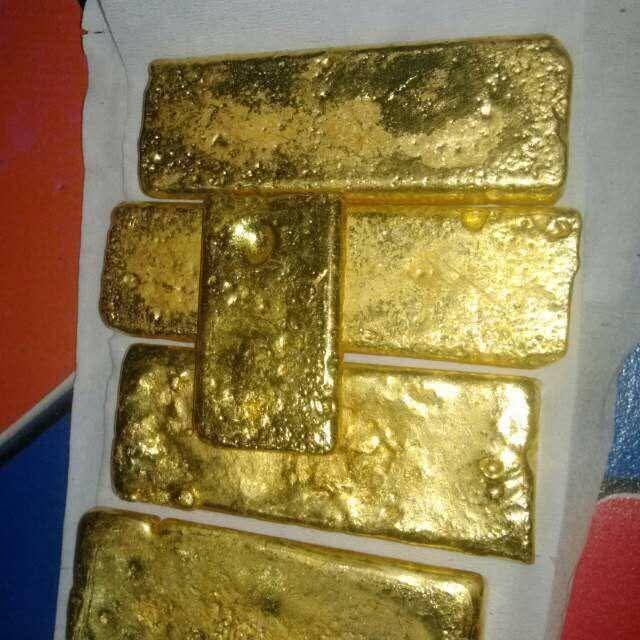
Bullion bars for investment and storage
-
Granules for industrial applications
-
Jewelry-grade gold for manufacturers
Copper Wire Scrap
-
Ideal for electrical, construction, and manufacturing industries
-
Cost-effective alternative to raw copper
-
Supports recycling and sustainable practices
Copper Ore
-
Used for smelting and industrial production
-
High-purity copper content (25–35%)
-
Export-ready for global markets
Choosing the right product ensures that your import process aligns with your business goals and intended use.
Step 2: Identify a Reliable Supplier
The success of your import largely depends on working with a trusted Tanzanian supplier. Key factors to consider:
-
Licensing and Certification: Ensure the supplier is registered with the Tanzanian Mining Authority and has export licenses.
-
Track Record: Look for suppliers with a history of international shipments and positive client testimonials.
-
Transparency: Verify product quality through certificates of authenticity, purity reports, and testing documentation.
Partnering with companies like Metalproductzone provides peace of mind, as all metals come with verified documentation and secure export processes.
Step 3: Understand Export Documentation Requirements
International metal imports require proper documentation to ensure legal compliance and smooth customs clearance. Required documents include:
-
Certificate of Authenticity – Confirms the metal’s purity and quality.
-
Export License – Official authorization for shipping metals internationally.
-
Invoice and Packing List – Detailed description of the shipment contents and value.
-
Customs Clearance Forms – Required by both Tanzanian and destination country authorities.
-
Insurance Certificate – Protects against loss, damage, or theft during transit.
Without these documents, shipments may be delayed, seized, or rejected at customs.
Step 4: Secure Payment Methods
Given the high value of metals, choosing a safe and verifiable payment method is crucial:
-
Bank Transfers: Direct payment between buyer and supplier accounts.
-
Escrow Services: Funds are held securely until the buyer verifies the shipment.
-
Letters of Credit (LC): A common method in international trade, guaranteeing payment upon delivery.
Avoid cash payments or informal arrangements, as these carry significant risks.
Step 5: Shipping and Logistics
Shipping metals requires careful planning to ensure security and compliance with international regulations.
Packaging
-
Metals must be securely packaged to prevent theft, tampering, or damage.
-
Tamper-proof containers and sealed shipments are recommended.
Transport Options
-
Air Freight: Fast and secure for smaller shipments, though higher cost.
-
Sea Freight: Economical for bulk imports, with careful planning for insurance and customs.
Insurance
-
All shipments should be fully insured to protect against theft, loss, or damage.
-
Ensure the supplier provides tracking information and regular shipment updates.
Customs Clearance
-
Work with experienced customs brokers to navigate regulations in your country.
-
Confirm that all documents are complete and compliant to avoid delays.
Step 6: Comply with Destination Country Regulations
Each country has its own rules regarding the import of metals. Key considerations include:
-
Import Duties and Taxes: Be aware of applicable tariffs and duties on gold or copper.
-
Regulatory Approvals: Some countries require permits for high-value metals.
-
Standards Compliance: Ensure metals meet local standards for purity and safety.
Proper compliance ensures a smooth import experience and protects your investment.
Step 7: Benefits of Working with Metalproductzone
Importing metals from Tanzania can be complex, but working with a reliable partner simplifies the process.
-
Certified Metals: Gold, copper wire scrap, and copper ore come with verified quality documentation.
-
Bulk and Wholesale Support: Flexible order sizes to meet your business needs.
-
Global Shipping Expertise: Full export-ready logistics, insurance, and tracking included.
-
Customer Support: Assistance with customs, payment, and regulatory compliance.
Challenges in Importing Metals
While Tanzania offers a reliable source, buyers may face:
-
Price Fluctuations: Global commodity prices can impact purchasing decisions.
-
Logistics Delays: Port congestion or shipping issues can slow delivery times.
-
Regulatory Compliance: Incorrect documentation can cause shipment rejection.
Despite these challenges, careful planning and working with verified suppliers ensures a safe and profitable import process.
Future Outlook for Tanzanian Metal Exports
Tanzania’s role in the global metals market is expanding due to:
-
Growing demand for renewable energy and electric vehicles
-
Increased foreign investment in mining and processing
-
Continuous improvements in export infrastructure and compliance
As global industries continue to grow, Tanzanian metals are expected to become an even more critical resource for manufacturers and investors.
FAQs – Importing Metals from Tanzania
Q: What is the minimum order quantity for importing metals?
The MOQ varies by supplier. Metalproductzone accommodates both small-scale and bulk buyers.
Q: How long does international shipping take?
Depending on the destination and shipment size, delivery usually takes 7–21 business days.
Q: Can I track my shipment?
Yes, all shipments include tracking and regular updates.
Q: Are the metals certified?
Absolutely. Every shipment comes with a certificate of authenticity, export license, and test reports.
Conclusion
Importing metals from Tanzania offers global buyers access to high-quality gold, copper wire scrap, and copper ore at competitive prices. By following a structured process—choosing the right product, verifying suppliers, securing documentation, arranging safe shipping, and complying with regulations—you can ensure a safe and profitable import experience.
Partnering with Metalproductzone guarantees certified metals, bulk order support, and professional logistics, making your import process seamless from Tanzania to your doorstep.